We Are Cousins, Act Like It
The Cousin Theory and Why It Calls Us to “We‑First” Living
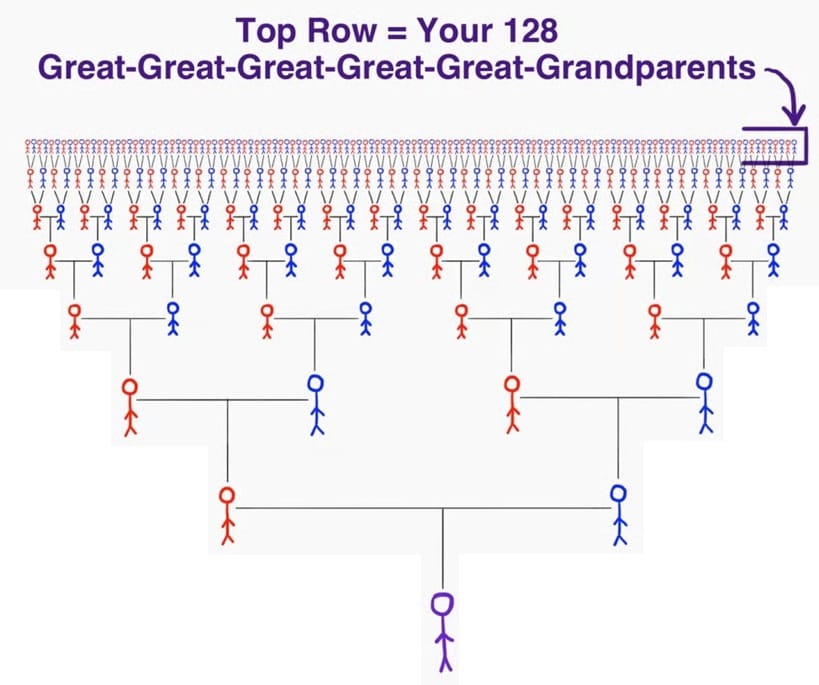
If you trace family trees far enough, scientists tell us, most people share ancestors. That fact can feel like trivia—or it can be a mirror. If we are, in some sense, kin, how could we behave differently toward one another? Super WEgo answers that question not with doctrine but with practice: small, repeatable habits that turn abstract relatedness into everyday care.
A Neighbor, a Choice, a Habit
On the WEligion page, Wego wakes before the alarm, not out of duty but because a five‑minute habit has become a kindness to themself. Three slow breaths. A quick body scan. One word for the feeling—unease—and a single intention: listen first. That tiny ritual shifts the day’s gravity.
Later, a client at Wego’s nonprofit loses their job. The old reflex is to fix. Instead Wego asks two simple questions—What am I feeling? What story am I telling?—and then listens. They offer a referral, promise to follow up, and post a practical note in the neighborhood group: “Two grocery bags in my trunk if anyone needs them today.” The gesture is small. The effect is cumulative: presence becomes policy; habit becomes culture.
This is the practical translation of the cousin idea. You don’t need DNA to act like family. You need routines that make kinship visible.
From Scientific Insight to Everyday Ethics
Three principles turn the cousin theory into a living ethic:
- See kinship as a prompt, not proof. The fact of relatedness nudges us to behave as if we belong to one another.
- Make care habitual. Micro‑practices—three breaths, a two‑minute check‑in, a short offer of help—are the building blocks of a we‑first life.
- Design systems, not heroics. Rotating volunteer schedules, simple protocols, and weekly circles spread responsibility and prevent burnout.
Belonging without structure becomes sentiment. Structure without heart becomes bureaucracy. Super WEgo holds both: ritual and design, reverence and practicality.
What This Looks Like in a Neighborhood
A missed medication pickup stops being one person’s crisis and becomes a shared problem solved by a small, organized response: a neighbor checks in, a volunteer rotation covers pickups, the Circle of Witness debriefs to prevent overload. Teen isolation becomes a community project. The Circle is not therapy; it’s disciplined listening that births action—game nights, soup runs, check‑in lists. These are not grand gestures. They are steady, relational choices that add up.
Try One Loop Today
You don’t need a movement to begin. Try this single loop now:
- Three breaths. Slow in for 4 counts, hold for 1 count, slow out for 6 counts.
- Name one feeling. Say it aloud or write it down.
- Set one intention. Keep it tiny: “Listen for 30 minutes.”
- Act within two hours. A text, an altruistic gift, a five‑minute visit.
Do it once. Notice how the world looks different when you move as if you belong to it. Share what you did with friends, in your local group or journal it. Small loops compound into cultural change.
Why This Matters for Super WEgo
Our mission is to shift from me‑first reflexes to we‑first practices. Science shows we’re connected; Super WEgo shows how to live that connection. By turning kinship into habit and designing systems that scale care, we reshape attention, distribute responsibility, and build resilient communities. This is how private growth becomes public good.
If you want to help reshape human consciousness into collective action, begin with one breath and one small promise today. Subscribe to join Super WEgo and a community that turns intention into impact.
Sources:
https://qz.com/557639/everyone-on-earth-is-actually-your-cousin https://waitbutwhy.com/2014/01/your-family-past-present-and-future.html